
How Should Accounting Firms Secure Client Financial Data and Cloud Systems?
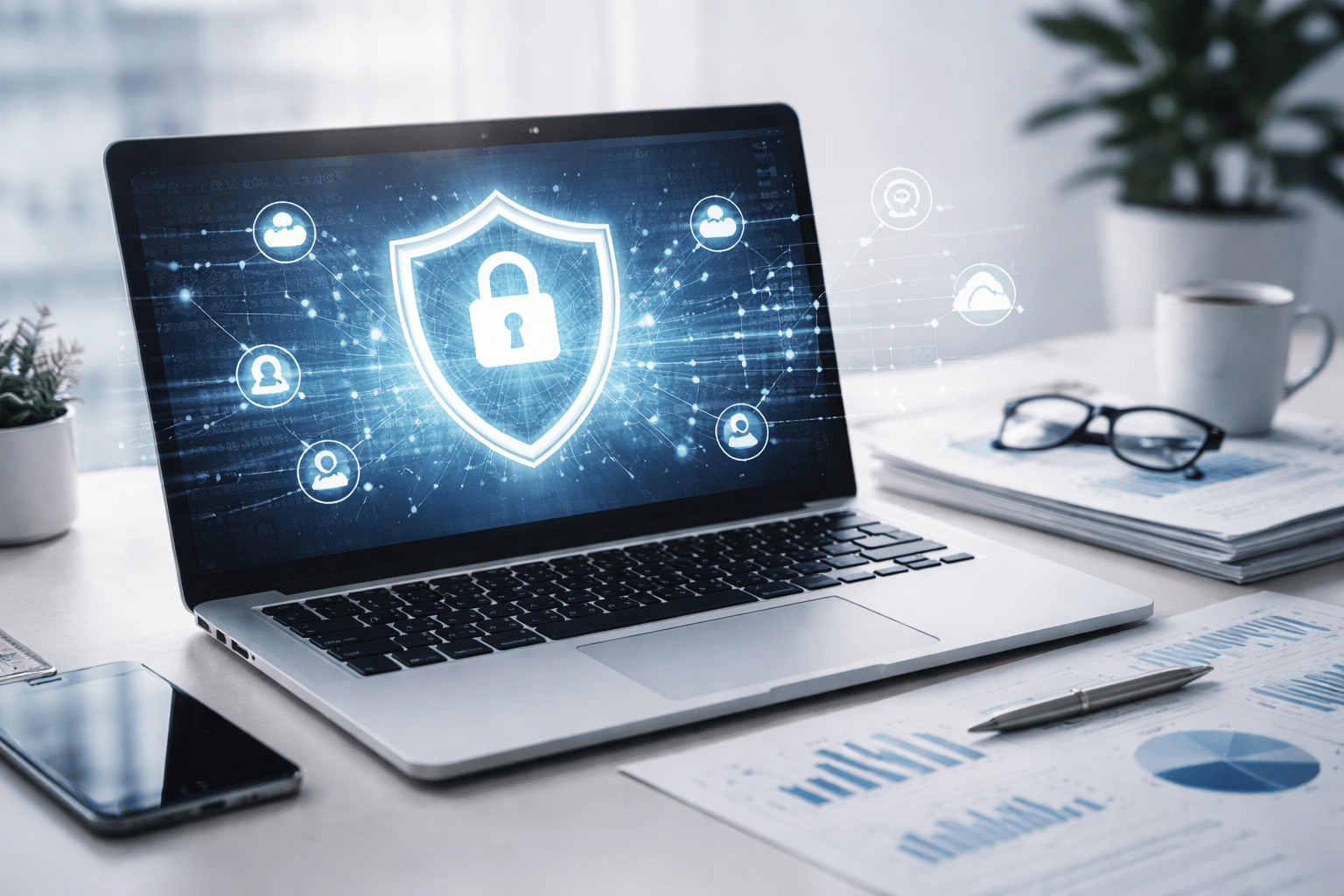
Learn how accounting firms can securely manage client financial data, cloud systems, and remote access to reduce cyber risk and ensure compliance.
How Should Accounting Firms Secure Client Financial Data and Cloud Systems?
Accounting firms with 50–150 employees manage some of the most sensitive data in any industry—client financial records, tax filings, payroll information, and banking details.
As more firms move to cloud-based systems and remote work environments, the risk of unauthorized access, data breaches, and compliance issues continues to grow.
👉 Securing client financial data is no longer just an IT concern—it’s a business-critical responsibility.
Why Accounting Data Is a Prime Target
Cybercriminals actively target accounting firms because of the value of the data they hold.
This includes:
- Personally identifiable information (PII)
- Tax returns and financial statements
- Payroll and banking details
- Business financial records
👉 A single breach can lead to financial loss, legal exposure, and reputational damage
The Biggest Risks to Client Financial Data
Most security incidents come from a few common vulnerabilities:
- Weak or reused passwords
- Lack of multi-factor authentication (MFA)
- Unsecured cloud applications
- Phishing attacks targeting staff
- Devices accessing systems without proper protection
These risks increase significantly in remote and cloud-based environments.
Securing Cloud-Based Accounting Systems
Modern accounting firms rely on platforms like:
- QuickBooks Online
- Xero
- Tax and compliance software
- Cloud document storage
To secure these systems, firms should implement:
🔐 Multi-Factor Authentication (MFA)
Ensures only authorized users can access systems.
👤 Role-Based Access Controls
Limits access to sensitive data based on user roles.
🔍 Regular Access Reviews
Removes inactive users and outdated permissions.
🔄 Secure Configuration of Cloud Platforms
Ensures systems are properly set up and maintained.
Protecting Data Across Devices
Every device accessing your systems is a potential entry point.
Key protections include:
- Endpoint Detection and Response (EDR)
- Device encryption
- Regular patching and updates
- Remote monitoring of device activity
👉 Without endpoint security, even strong cloud protections can be bypassed.
The Importance of Secure Remote Access
Accounting firms often operate across:
- Offices
- Remote employees
- Client locations
To secure access, firms should use:
- Encrypted connections (VPN or zero-trust access)
- Secure authentication methods
- Monitoring of login activity
This ensures data remains protected regardless of where it’s accessed.
Why Cybersecurity Frameworks Matter
Following established frameworks helps firms maintain consistent security.
For example, the NIST Cybersecurity Framework provides guidance on protecting sensitive systems and data:
👉 https://www.nist.gov/cyberframework
Using structured frameworks ensures security is not just implemented—but maintained over time.
Real-World Example
An accounting firm with approximately 85 employees allowed remote access to cloud accounting systems without enforcing MFA. A phishing attack compromised a user account, creating a potential data exposure risk.
After implementing MFA, access controls, and device monitoring, the firm significantly reduced risk and gained visibility into system activity.
How BoomTech IT Secures Accounting Firms
BoomTech IT helps accounting firms protect client data through:
- Secure cloud system configuration
- Multi-layered cybersecurity protection
- Endpoint monitoring and device management
- Monthly Technology Alignment Manager (TAM) reviews
- Strategic security planning through vCIO guidance
👉 This ensures your data is protected, accessible, and compliant.
Final Thoughts
Accounting firms cannot afford to take a reactive approach to data security. As cyber threats evolve, firms must implement structured, proactive security measures to protect client information and maintain trust.
A strong security strategy ensures your firm remains secure, compliant, and operational.
🔗 Related Resource
Want to understand how cyber insurance ties into your security strategy?
👉 Read: What Cyber Insurance Requirements Are Accounting Firms Failing to Meet Today?
📞 Contact Us
Need help securing your client data and cloud systems?
👉 Contact BoomTech IT today:
Contact Us – BoomTech IT, Inc.
We’ll help you identify risks and implement the right protections for your firm.
How Should Accounting Firms Secure Client Financial Data and Cloud Systems?
Learn how to secure accounting systems, protect client data, and reduce cybersecurity risks in cloud environments.

Thriving where design meets marketing, absolutely loving life at BoomTech—and proudly serving as BoomTech’s very own cheerleader!
Categories
Recent Posts
- What IT Compliance Requirements Do Accounting Firms Need to Meet Today?
- How Can Accounting Firms Reduce Human Error and Employee-Driven Cyber Risks?
- How Should Accounting Firms Secure Client Financial Data and Cloud Systems?
- What Cyber Insurance Requirements Are Accounting Firms Failing to Meet Today?
Hear from Philipp Baumann, owner and founder of BoomTech: